
Skip to content
Scypion Finance
  • First Principles
  • The Library
  • The Lexicon
  • Tools
  • Videos
/
Scypion Finance

Data over opinion. Evidence over emotion.

YT𝕏∿
About
  • Company
  • Leadership
  • Contact
  • Editorial Standards
Legal
  • Terms of Use
  • Privacy Policy
  • Cookie Policy
  • Disclaimer

Scypion Finance is for educational and informational purposes only and is not financial, investment, tax, or legal advice. Reading this site does not create an advisory relationship. Markets carry risk; consult a licensed professional before acting on anything you read here.

Accessibility
© 2026 Scypion Finance. Founded by Erajah Scypion.Your money, and the forces that move it.

Photo by Monstera Production on Pexels

Home›Personal Finance›Everyday Money›Budgeting & Saving

What Is a Liability?

Erajah Scypion
Erajah ScypionFounder, Scypion Finance
5 sources1 min readUpdated June 14, 2026
◆ Key Takeaways
  • Liabilities are debts and financial obligations you owe
  • Common liabilities: mortgages, auto loans, student loans, credit card balances
  • Liabilities appear on balance sheets and directly reduce net worth
  • Managing liabilities is as important as building assets
On this page
  • Common Liabilities
  • Liabilities and Net Worth
  • Managing Liabilities

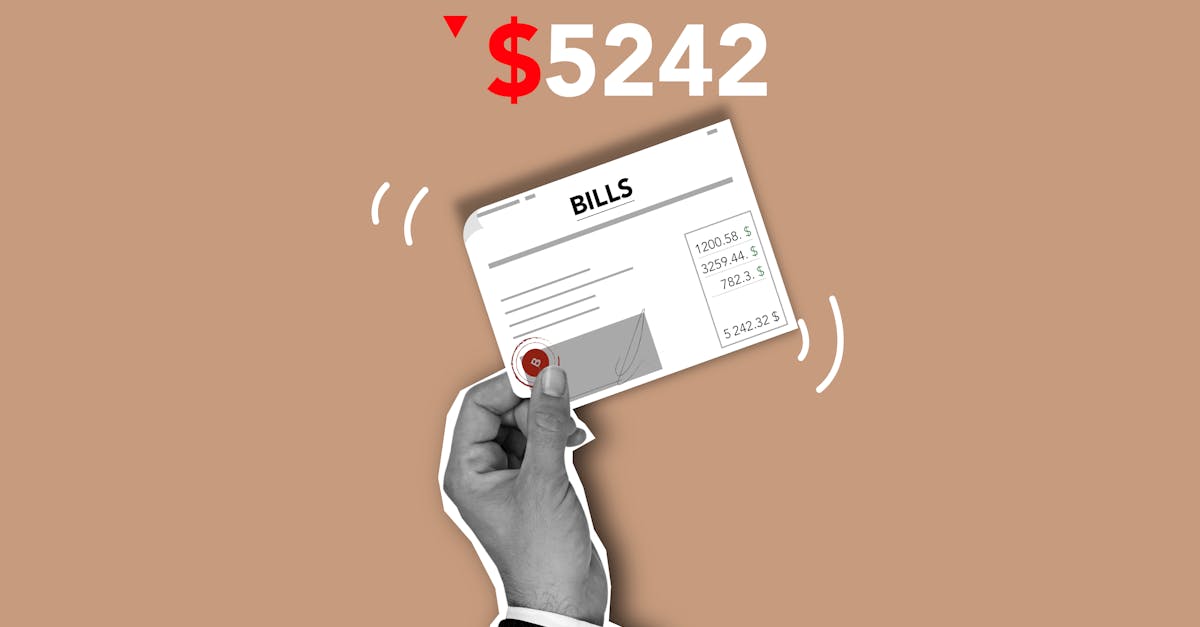
A liability is a debt or financial obligation you owe to another party. Mortgages, auto loans, student loans, credit card balances, and medical bills are all liabilities.

Common Liabilities

  • Mortgage: Home loan, typically 15-30 years
  • Auto loan: Vehicle financing, typically 5 years
  • Student loan: Education financing, typically 10-25 years
  • Credit card balance: Revolving consumer debt, typically paid monthly or it accrues interest
  • Personal loan: Unsecured borrowing for general purposes

Liabilities and Net Worth

Net worth = Assets - Liabilities

If your assets are $500,000 and liabilities are $200,000, your net worth is $300,000. Increasing liabilities (taking on debt) decreases net worth directly.

Managing Liabilities

Some liabilities are necessary (home purchase requires borrowing). Others are avoidable (consumer debt). Wise financial management distinguishes between them:

  • Good debt: Low-interest, productive (mortgage enabling home ownership, student loans enabling career earning)
  • Bad debt: High-interest, consumption-based (credit cards for spending, payday loans)

Reducing liabilities, particularly high-interest ones, is as important as increasing assets for building net worth.

◆ Sources

  1. Liability Definition — Investopedia
  2. Net Worth — Investopedia
  3. Investment Fundamentals — SEC
  4. Investor Protection — FINRA
  5. Investment Education — Investor.gov
On this page
  • Common Liabilities
  • Liabilities and Net Worth
  • Managing Liabilities
◆ Related reading
  • Why Your Budget Keeps Failing (It's Not You)
  • The Budget Constraint: How Income Limits Turn Preferences Into Decisions
  • Financial Planning in Your 30s: Debt Payoff, Homeownership, Family Planning, and Wealth Acceleration
  • What Is an Asset?
All Budgeting & Saving →
◆ SHARE
Erajah Scypion
Erajah Scypion
Founder, Scypion Finance

I got interested in economics the hard way — by not understanding what was happening around me. I'd read an explanation, nod along, and walk away knowing no more than when I started. After enough of that, I stopped looking for the resource I wanted and started writing it.

View full profile →

More in Budgeting & Saving

All Budgeting & Saving →
◆ BUDGETING & SAVING

Financial Planning in Your 20s: Build Foundation, Pay Debt, Start Investing Early

20s priorities: build emergency fund, pay student debt, start investing early (compound growth is strongest at this age), and launch career.

8 min read
Read →
◆ BUDGETING & SAVING

What Is Liquidity?

How quickly and easily an asset can be converted to cash without significantly affecting its price.

2 min read
Read →
◆ BUDGETING & SAVING

What Is an Emergency Fund?

Dedicated cash reserve covering 3–6 months of living expenses. Learn why emergency funds prevent debt accumulation.

2 min read
Read →
◆ BUDGETING & SAVING

What Is a High-Yield Savings Account?

A savings account paying significantly higher interest rates than traditional banks. The ideal home for emergency funds.

2 min read
Read →

◆ THE NEWSLETTER

Money, made clear

Personal finance and the economy, broken down — numbers shown, every claim sourced.

Only when it's worth your time. No spam, unsubscribe anytime.